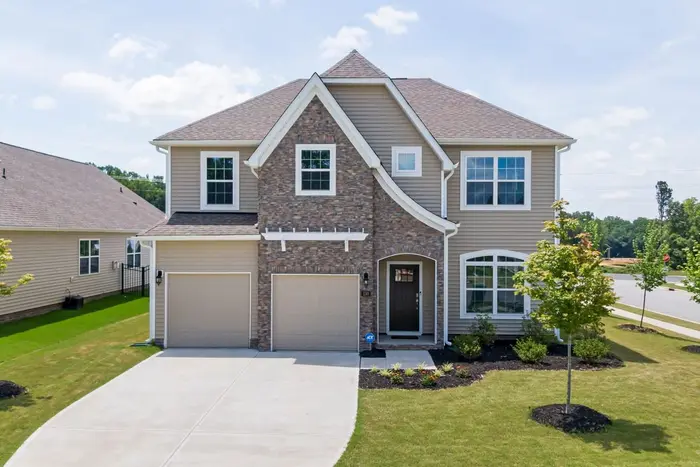
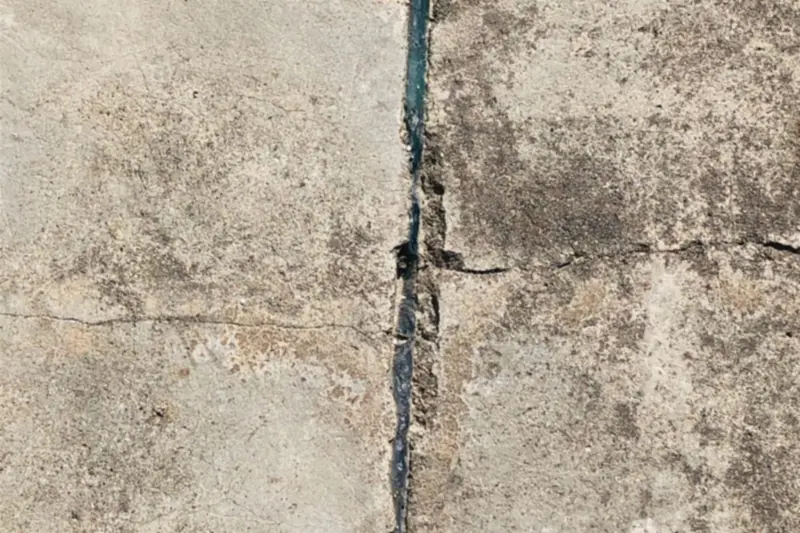
Foundation crack repair in Cary, NC
Most foundation cracks are not dangerous, but leaking cracks let water in and moving cracks are a warning. The right repair depends on whether a crack leaks, whether it is still growing, and what the wall is made of.
- Epoxy injection for structural cracks
- Polyurethane injection for leaking cracks
- Carbon fiber stitches across wider cracks
- Block and brick joints repointed
- The cause checked before anything is covered up
Covering Cary · Apex · Holly Springs · Morrisville · Raleigh
Get a quote for foundation crack repair
Cause first, then the fix
Cracks and sticking doors are symptoms. Every visit looks for what moved the house, usually water in clay soil, before anyone talks about piers.
Measured, not guessed
Floor elevations are taken across the house with a level, so the repair plan rests on numbers you can see and compare.
A written plan and price
The number of piers, where they go, any drainage work, engineer letters, permits and the warranty, listed line by line in writing.
Why choose us
Repairs that stop the movement, not just hide it
Triangle clay swells when it is wet and shrinks when it dries, and houses ride along. Finding why the house moved, supporting it on something that does not, and fixing the water behind it are what keep a repair from failing.
- Floor elevations measured
- Push and helical piers
- Engineer-backed plans
- Drainage fixed at the source
- Written, itemized estimates
- Local to Cary
Which cracks need repair
Foundation cracks fall into a few groups, and each calls for something different:
- Shrinkage cracks: thin, roughly vertical cracks in poured concrete walls and slabs that formed as the concrete cured. Usually harmless unless they leak.
- Settlement cracks: diagonal cracks, cracks wider at one end, and stair-step cracks in block and brick. They show that part of the foundation moved.
- Pressure cracks: horizontal cracks in basement walls, from soil pushing on the outside. See bowing basement walls.
- Leaking cracks: any crack that lets water through, whatever caused it.
The guide to which cracks matter explains how to tell them apart.
Injection for poured concrete walls
Cracks in poured concrete basement walls are best repaired by injecting them from the inside, which fills the crack through the full thickness of the wall rather than just bridging the surface:
- The crack is cleaned, and small injection ports are set along it every several inches.
- The face of the crack is sealed with a paste so the material cannot run out.
- Material is pumped in at low pressure, port by port from the bottom up, until it appears at the next port.
- Once it cures, the ports and surface paste are ground off.
Epoxy cures hard and bonds the faces of the crack, restoring the wall’s strength. It is used for structural cracks that are dry or can be dried. Polyurethane foams and stays flexible, sealing cracks that are actively leaking and tolerating small seasonal movement.
Stitching and carbon fiber
Wider or structural cracks can be reinforced across their width. Carbon fiber staples, set into slots cut across the crack and bonded with epoxy, hold the two sides together. Carbon fiber straps applied vertically reinforce a whole section of wall. Both are often combined with injection.
Block and brick foundations
Block and brick walls crack along their mortar joints, often in a stair-step pattern. Repairs include repointing, which means raking out the cracked mortar and replacing it, swapping out cracked block or brick, and reinforcing the wall where it has moved. Injection works poorly in hollow block, which soaks up the material. See brick foundation repair.
Slab cracks
Cracks in garage floors and basement slabs are usually shrinkage. They are sealed with a flexible sealant to keep out moisture and insects, or filled and ground flush before a new floor finish goes down. A slab crack with one side higher than the other is a sign of settlement or heave and should be investigated before it is filled.
Repairs from outside
Some cracks are sealed from the outside of the wall, which means excavating down to them. That is usually reserved for walls that are being waterproofed or straightened anyway. Crawl space walls, which are shorter, are often repointed from both sides.
Fix the cause first
A crack is a symptom. Sealing a crack in a wall that is still settling or bowing only hides the evidence for a while. Before any cosmetic repair, mark the ends of the crack with a pencil line and the date, measure its width, and check it again over a few months, or have it evaluated straight away if it is wide, offset or horizontal. Then stop the movement with foundation settlement repair or basement wall repair, and seal the crack last.
Cracks in newer homes
New houses often crack in their first year or two as the concrete finishes shrinking and the soil under the footings settles. If the house is still under the builder’s warranty, photograph and report any crack before it is sealed, in writing, with a ruler in the photos for scale. Builders commonly handle hairline cracks at the one-year walkthrough, and anything wider, offset or growing deserves the builder’s attention while the warranty is still active.
What crack repair costs
Crack injection is one of the smaller foundation repairs: national cost guides put sealing a crack at roughly $250 to $800. Carbon fiber stitches, straps and repointing add to that. The cost guide has the rest of the numbers.
Foundation crack repair — common questions
Should I seal a foundation crack myself?
For a thin, dry, stable crack, a DIY kit or a flexible sealant can keep out moisture and insects. If a crack leaks, is wider than about a quarter inch, has one side offset from the other, or keeps growing, have it looked at before it is covered up.
What is the difference between epoxy and polyurethane injection?
Epoxy cures hard and bonds the two sides of a crack back together, restoring strength in a poured concrete wall. Polyurethane expands and stays flexible, filling the crack through the wall to stop water, but it adds no strength. Leaks usually get polyurethane; structural cracks get epoxy.
Will a repaired crack come back?
A sealed crack can reopen if the wall is still moving. That is why the cause matters: a shrinkage crack stays closed once it is filled, while a crack from settlement or soil pressure needs the movement stopped first.
Problems this fixes
Often booked with this