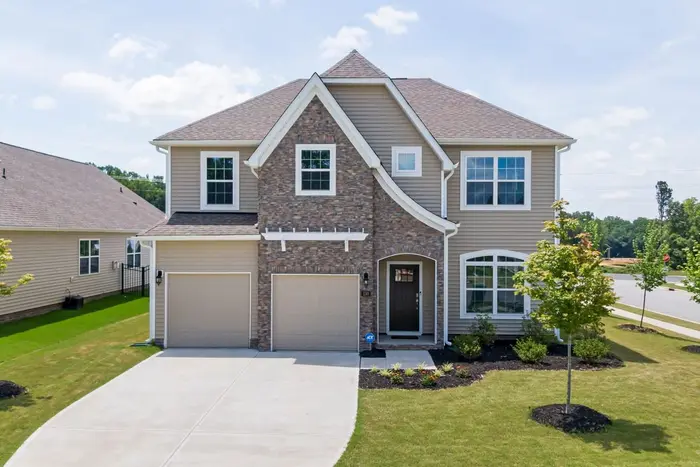
Foundation piers in Cary, NC
Piers move the weight of a settling house off the clay near the surface and onto soil or rock that does not shrink and swell. Steel push piers and helical piers are the two systems used most, and each suits a different kind of load.
- Steel push piers driven to load-bearing soil
- Helical piers for lighter loads, porches and slabs
- Each pier pressure- or torque-tested as it goes in
- Lifting and leveling on the same piers
- A pier log and map for your records
Covering Cary · Apex · Holly Springs · Morrisville · Raleigh
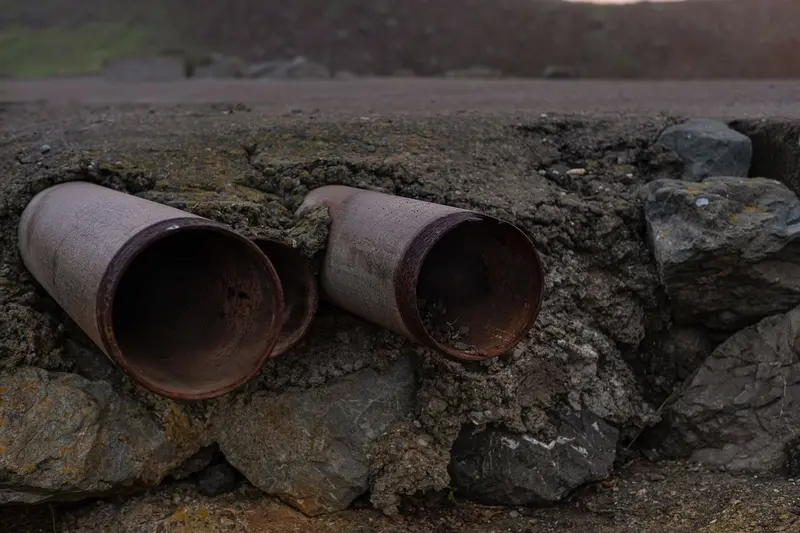
Get a quote for foundation piers
Cause first, then the fix
Cracks and sticking doors are symptoms. Every visit looks for what moved the house, usually water in clay soil, before anyone talks about piers.
Measured, not guessed
Floor elevations are taken across the house with a level, so the repair plan rests on numbers you can see and compare.
A written plan and price
The number of piers, where they go, any drainage work, engineer letters, permits and the warranty, listed line by line in writing.
Why choose us
Repairs that stop the movement, not just hide it
Triangle clay swells when it is wet and shrinks when it dries, and houses ride along. Finding why the house moved, supporting it on something that does not, and fixing the water behind it are what keep a repair from failing.
- Floor elevations measured
- Push and helical piers
- Engineer-backed plans
- Drainage fixed at the source
- Written, itemized estimates
- Local to Cary
How foundation piers work
A house footing spreads its weight over the soil directly beneath it. When that soil shrinks, gets soaked, washes out or simply cannot carry the load, the footing sinks. A pier bypasses that soil: a steel shaft goes down beside the footing to a deeper layer that can carry the weight, and a bracket ties the footing to the top of the shaft. Once the house rests on the piers, the clay near the surface can keep changing without taking the house with it.
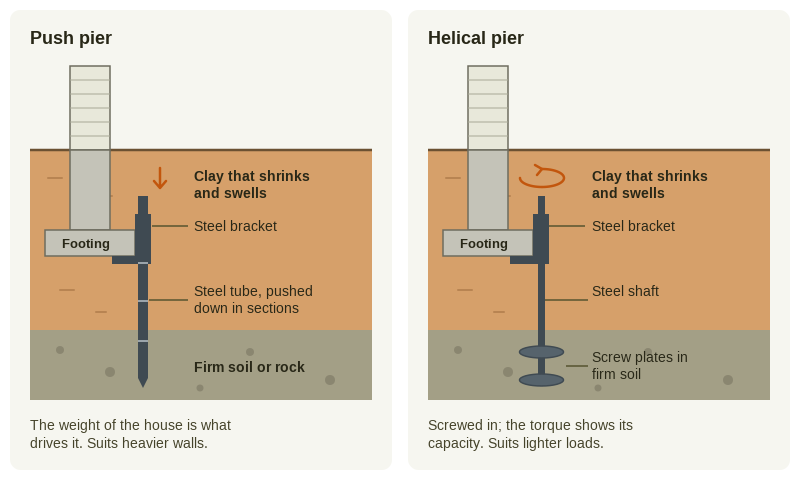
Push piers
Push piers, also called resistance piers, are steel tubes driven down in short sections by a hydraulic ram. The ram pushes against a bracket fastened to the footing, so the weight of the house supplies the driving force. Driving continues until the pier meets soil or rock that resists it at a pressure well above the load it will carry. The gauge reading at that point works as a load test for each individual pier.
Push piers suit heavy loads: two-story walls, brick veneer, and footings that carry a lot of the house. Their limitation is the same reliance on weight. A light porch or a one-story wing may not be heavy enough to drive them deep.
Helical piers
Helical piers are steel shafts with screw-shaped plates near the tip. A hydraulic torque motor turns them into the ground like a screw, adding extension sections as they go. The torque needed to keep turning rises as the plates bite into firmer soil, and manufacturers publish how torque relates to capacity, so the installer can stop at a known value.
Helical piers work where push piers struggle: light structures, porches, stoops, decks and additions, interior slab supports, and places where there is not enough weight above to drive a tube. They can also carry load as soon as they are installed.
Which one your house needs
The choice depends on the load, the soil, access and the goal. Heavy two-story walls on crawl space or basement footings usually suit push piers. Porches, one-story additions, chimneys and light slab sections often suit helical piers, and some jobs use both. The push vs helical piers guide compares them side by side.
What installation looks like
- Layout. Pier locations are marked from the elevation survey and where the load actually sits.
- Excavation. A small hole is dug beside the footing at each location, or a section of slab is cut from inside.
- Bracket. The footing face is prepared and a steel bracket is set under it.
- Install. Each pier is driven or turned to the required pressure or torque, and its depth is logged.
- Transfer and lift. The load is shifted onto all the piers together, and the house is raised as far as is safe. See house leveling.
- Restore. Holes are backfilled and compacted, and any slab openings are patched.
Depth and Triangle ground
Pier depths vary a great deal across the Triangle. In much of the Piedmont, clay grades into soft weathered rock and then harder rock, but the depth of each layer changes from one lot to the next, and filled ravines or the softer layers of the Triassic basin can push piers much deeper. That is why depth is decided in the field by pressure or torque rather than promised in advance. Ask for a pier log listing every pier’s depth and final reading.
Piers do not fix water
Piers stop the piered section from settling further, but they do nothing about the water that caused the problem, and the rest of the house still sits on the same clay. Every pier job should come with a look at gutters, downspouts and grading. See foundation drainage.
Cost and paperwork
National cost guides put installed piers at roughly $1,000 to $3,000 each. The total for a job depends far more on how many piers are needed and how hard they are to reach than on which system is used. The paperwork matters as much as the steel: the permit, an engineer’s letter where required, a pier map, the pier log, and a warranty that transfers with the house. The cost guide has more on pricing, and foundation settlement repair explains where piers fit in a full repair.
Foundation piers — common questions
How deep do foundation piers go?
As deep as it takes to reach soil or rock that can carry the load, which varies from lot to lot. Push piers are driven until the resistance reaches a set pressure, and helical piers are turned in until they reach a target torque. The installer should record the depth and final reading for every pier.
How many piers does a house need?
Usually only the section that settled is piered, with piers spaced along the footing, often 4 to 8 feet apart depending on the weight on that footing and the capacity of each pier. A corner might take three or four; a full wall, more.
Do piers come with a warranty?
Most pier systems carry a long, often lifetime, warranty against further settlement of the piered section, and many can be transferred to the next owner. Read what it covers: typically the piers holding their elevation, not new drywall cracks or parts of the house that were not piered.
Problems this fixes
Often booked with this