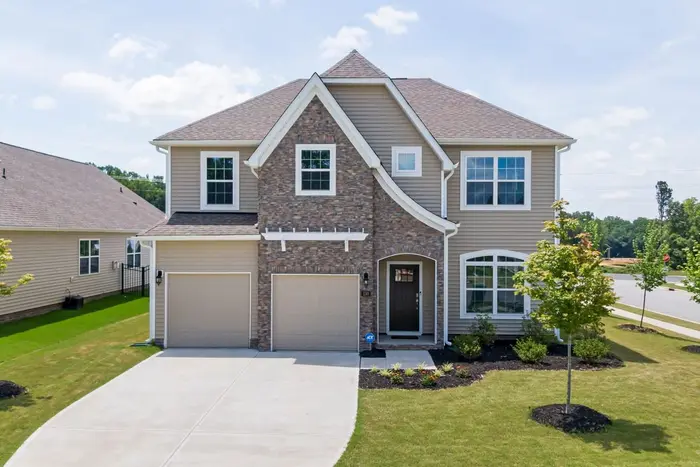
Foundation inspection in Cary, NC
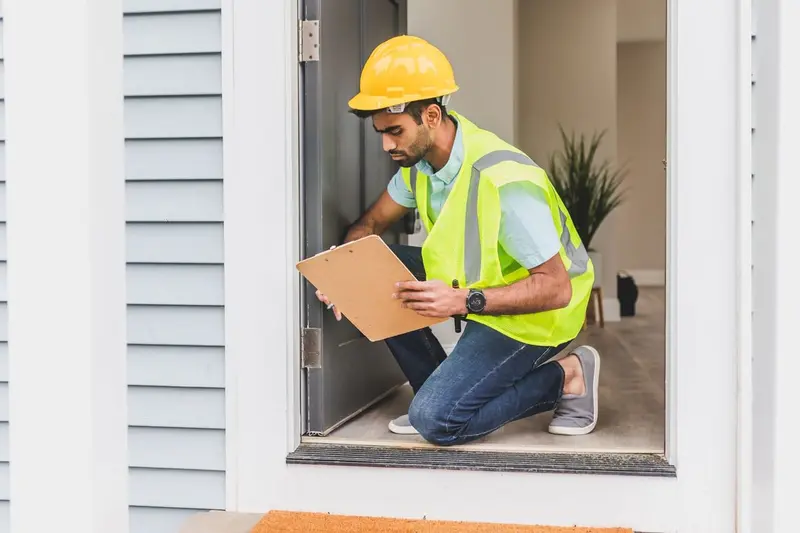
Before anything gets fixed, someone needs to find out whether the foundation is moving, why, and by how much. A thorough inspection measures the house, maps the cracks, checks the water and ends with a plain written report.
- Floor elevation survey
- Crack mapping inside and out
- Crawl space or basement inspected
- Drainage and grading review
- Written findings and repair options
Covering Cary · Apex · Holly Springs · Morrisville · Raleigh
Get a quote for foundation inspection
Cause first, then the fix
Cracks and sticking doors are symptoms. Every visit looks for what moved the house, usually water in clay soil, before anyone talks about piers.
Measured, not guessed
Floor elevations are taken across the house with a level, so the repair plan rests on numbers you can see and compare.
A written plan and price
The number of piers, where they go, any drainage work, engineer letters, permits and the warranty, listed line by line in writing.
Why choose us
Repairs that stop the movement, not just hide it
Triangle clay swells when it is wet and shrinks when it dries, and houses ride along. Finding why the house moved, supporting it on something that does not, and fixing the water behind it are what keep a repair from failing.
- Floor elevations measured
- Push and helical piers
- Engineer-backed plans
- Drainage fixed at the source
- Written, itemized estimates
- Local to Cary
When to get an inspection
- Cracks wider than about a quarter inch, or cracks that are growing
- Stair-step cracks in brick or block, or horizontal cracks in a basement wall
- Floors that slope noticeably, or doors and windows that suddenly bind
- A home inspection report that notes structural movement, especially during a purchase
- Water in the basement or crawl space after storms
- Before buying a house with visible past repairs, or before listing one
- After a plumbing leak under a slab
What a thorough inspection covers
Outside
The inspector walks around the house looking at cracks in brick and siding, the exposed foundation walls, the chimney, porches and steps, gutters and downspouts, the grading, trees close to the house, and where water goes in a storm.
Inside
Drywall and plaster cracks, doors and windows, floors, cabinets and countertops, the fireplace and hearth, and the garage floor all get checked, along with any patched cracks that hint at past movement.
Underneath
In a crawl space, the piers, girders, perimeter wall, moisture and soil. In a basement, the walls for cracks and bowing, the floor, and any signs of water.
Measurements
A floor elevation survey takes readings at many points across the house with a digital level or laser and draws them into a map. The pattern shows whether the house is settling or heaving, and where, and it becomes a baseline for future comparison.
Engineer, contractor or home inspector?
- Structural engineer. Licensed in North Carolina by the Board of Examiners for Engineers and Surveyors and independent of any repair sale. The result is a sealed letter or report with the cause and recommended repairs, which is what buyers, lenders and many permit offices want. Fees usually run several hundred dollars and up, depending on the scope.
- Repair contractor. Often free, and frequently very experienced, but with a stake in the answer. Most useful for repair proposals once you know what is needed.
- Home inspector. A generalist hired for real estate transactions who flags signs of movement and usually defers to an engineer.
For significant problems, a good sequence is an engineer first, then bids from contractors to the engineer’s specifications, then a follow-up letter from the engineer once the work is done.
What you should get in writing
- What was observed, with photos
- The elevation survey
- The likely cause
- Whether the movement appears active or historic
- Recommended repairs, in order of priority
- Drainage recommendations
Buying or selling
In North Carolina, buyers usually arrange inspections during the due diligence period of the purchase contract. If the home inspector notes movement, book an engineer right away, because that period is short. Sellers benefit from a recent engineer’s letter and records of any past repairs, which answer buyers’ questions before they turn into renegotiations. See buying a home with foundation issues.
Getting ready for the visit
A little preparation makes the visit far more useful. Clear a path to the crawl space door or basement walls, and move furniture away from the worst cracks. Write down when you first noticed each problem and whether it changes with the seasons. Gather anything you have from the past: earlier inspection reports, repair invoices, permits, warranties and photos. If you have marked crack ends with dates, leave the marks in place. A rough idea of when gutters were last cleaned, and of any plumbing leaks or high water bills, helps too.
After the inspection
If the report finds nothing serious, keep it on file, and keep an eye on the cracks. If repairs are recommended, get two or three written bids for the same scope of work. The hiring guide covers what to ask, and the cost guide explains how quotes are priced.
Foundation inspection — common questions
Who should inspect my foundation, an engineer or a contractor?
A structural engineer gives an independent opinion and a sealed letter that buyers, lenders and permit offices accept, for a fee. Repair contractors often inspect for free, but their inspector may also be the salesperson. For anything beyond minor cracks, an engineer's evaluation is worth the cost.
How long does a foundation inspection take?
Usually one to two hours on site for a typical house, longer for large houses or hard-to-reach crawl spaces. A written report or letter follows, often within a few days.
Is a home inspection the same as a foundation inspection?
No. A general home inspector looks at the whole house and notes signs of movement, but usually recommends a structural engineer for anything beyond the obvious. A foundation inspection goes deeper, with measurements and an explanation of the cause.
Problems this fixes
Often booked with this